Healing Arrows: The Therapeutic Power of Archery for PTSD Relief 🎯❤️🩹
The Physical Connection: A Release of Tension and a Path to Calm
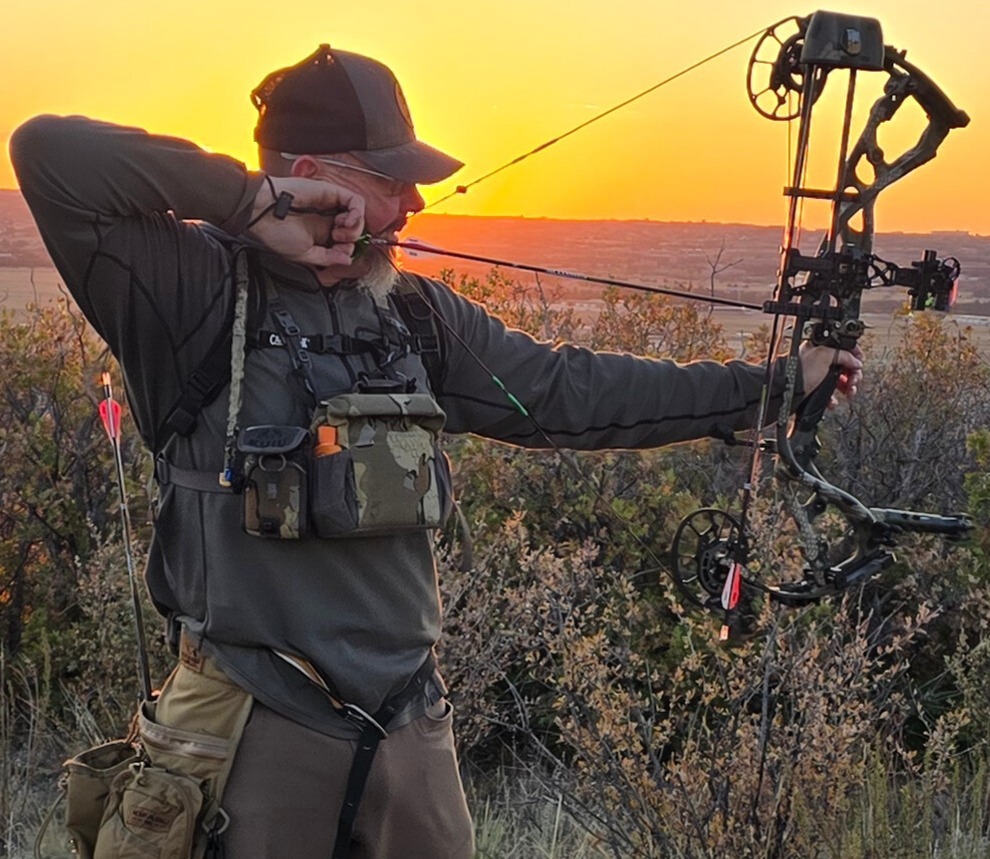
Archery engages the body in a uniquely compelling and beneficial way. The very act of drawing the bowstring requires a coordinated effort of strength, unwavering focus, and precise muscular control. This focused physical engagement has a remarkable therapeutic effect on the muscles, actively promoting relaxation and a tangible release of stored tension. As individuals draw the bowstring, they activate and strengthen their core muscles, shoulders, and arms, simultaneously fostering a powerful sense of physical control and inherent strength. This controlled physical exertion can serve as a deeply cathartic release for individuals carrying the immense burden of traumatic experiences within their bodies.
Moreover, the inherently repetitive nature of archery movements—from nocking the arrow to the smooth draw and release—contributes significantly to a rhythmic and deeply meditative experience. This repetition not only subtly improves physical fitness and muscular endurance but, perhaps more critically, helps in calming and regulating the nervous system. The meditative aspect of consistent archery practice has been strongly linked to reduced levels of stress hormones, providing individuals with a tangible and accessible means to actively manage the overwhelming physiological impact of PTSD.
The Mental Connection: Mindfulness, Achievement, and Stability
Archery is far from being just a physical activity; it fundamentally demands intense mental focus and unwavering concentration. The intricate process of meticulously aiming, consciously controlling breath, and precisely releasing the arrow necessitates a truly mindful state. This singular mental engagement effectively diverts attention away from the intrusive thoughts, distressing flashbacks, and rumination commonly associated with PTSD. This mental redirection acts as a powerful form of mindfulness, actively promoting a profound sense of presence and grounding in the current moment.
The inherently goal-oriented nature of archery provides individuals with an immediate and tangible sense of achievement and powerful empowerment. Successfully hitting the target becomes more than just a physical act; it transforms into a symbolic victory, tangibly boosting self-esteem and reinforcing a sense of personal competence and confidence. For those navigating the complexities of PTSD, this consistent sense of accomplishment can be profoundly transformative, gradually restoring a positive connection with their own capabilities and agency.
In addition, archery intrinsically provides a structured and disciplined environment. The consistent adherence to a set routine, precise movements, and established rules fosters a crucial sense of stability and predictability, which is paramount for individuals grappling with the often chaotic and unpredictable nature of PTSD. The inherent discipline required in mastering archery can become a therapeutic anchor, offering a structured, reliable, and healthy outlet for processing overwhelming emotions and intrusive thoughts.
Conclusion: Archery as a Holistic Path to Healing
Archery, particularly the engaging practice of 3D archery shooting, truly emerges as a compelling and accessible therapy for PTSD relief, providing a unique and powerful blend of physical and mental benefits. The powerful combination of controlled physical exertion, meditative movements, and intense mental focus creates a holistic and deeply engaging experience that can significantly contribute to the long and often challenging healing journey of individuals grappling with PTSD. As we continue to explore innovative and effective avenues for mental health support, archery stands out as a timeless and profoundly relevant practice that powerfully connects mind, body, and spirit in the earnest pursuit of enduring healing and renewed well-being.